Published Date: Apr 07 2026
What Is PDRN?
PDRN stands for DNA SODIUM. This ingredient is a purified DNA fragment. It is typically extracted from salmon or trout sperm through a high-temperature purification process (Seoulceuticals, 2026). PDRN has a strong attraction to water. This means it binds water effectively within the skin layers (Alibaba, 2026).
PDRN has a long medical history. The Italian Medicines Agency (AIFA) first approved it in 1994. The agency approved PDRN for treating superficial wounds, skin ulcers, and connective tissue disorders (MDPI, 2025). Since then, researchers have found that PDRN can improve many skin conditions. These conditions include wrinkles, dryness, hyperpigmentation, hair loss, and barrier dysfunction (MDPI, 2025).
How Does PDRN Work on the Skin?
PDRN works through several biological pathways. It activates purinergic A2A receptors in the skin. This activation triggers a series of repair processes (Akaberi et al., 2025). Clinical studies have shown that PDRN can accelerate wound healing, improve skin elasticity, reduce wrinkles, and support hair regrowth (Akaberi et al., 2025).
PDRN also has anti-melanogenic properties. A systematic review published in 2025 found that PDRN suppresses tyrosinase activity. Tyrosinase is the enzyme responsible for melanin production. PDRN also downregulates melanogenic genes. This leads to even skin texture and reduced pigmentation (The Aesthetics, 2025).
The Problem with Traditional Water-Soluble PDRN in Skincare
Traditional PDRN is water-soluble. This means it dissolves only in water-based formulas. This solubility creates real limits for skincare product makers.
First, water-soluble PDRN has poor skin penetration. The skin barrier is made mostly of lipids (fats). Water-based ingredients struggle to cross this barrier. As a result, most of the PDRN stays on the skin's surface. It never reaches the deeper layers where it can do its repair work.
Second, water-soluble PDRN limits formula options. Brands can only put it into water-based products like serums, toners, and gels. They cannot add it to oils, balms, creams, or makeup products that lack a water phase. This restriction blocks many product possibilities.
Third, water-soluble PDRN has lower heat stability. Many manufacturing processes involve high temperatures. Water-soluble PDRN can break down under these conditions. This breakdown reduces its effectiveness in the final product.
The Breakthrough: Oil-Soluble PDRN from GENE-BIOCON
Zhuhai Gene-Biocon Biological Technology Co., Ltd. (GENE-BIOCON) has solved these problems. The company developed a patented oil-soluble encapsulation technology. This technology takes 99% pure water-soluble PDRN and wraps it inside a lipid-soluble system (GENE-BIOCON, 2026). The result is an oil-soluble PDRN that keeps all the regenerative benefits of PDRN while adding new advantages.
Product Specifications
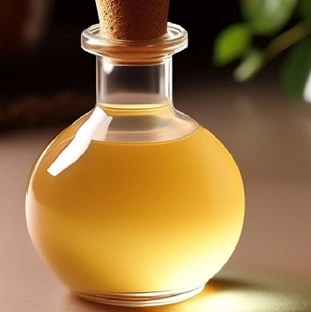
GENE-BIOCON's oil-soluble PDRN has clear, measurable specifications. The ingredient appears as a yellow, clear oil-based liquid. The PDRN content is at least 1000 ppm. The suggested usage rate in finished products is 1% to 10% (GENE-BIOCON, 2026). The product carries INCI name DNA SODIUM.
The Three Mechanisms of Oil-Soluble PDRN
GENE-BIOCON's oil-soluble PDRN works through three distinct pathways (GENE-BIOCON, 2026):
1. - Epidermal regeneration.- The ingredient promotes the growth and differentiation of keratinocytes. These are the main cells in the outer layer of the skin. Healthy keratinocytes mean a strong, intact skin barrier.
2. - Systemic anti-inflammation.- Oil-soluble PDRN activates the A2A receptor pathway. This activation reduces inflammation throughout the skin. Less inflammation means less redness, swelling, and irritation.
3. - Collagen and elastin stimulation.- The ingredient activates dermal fibroblasts. These are the cells that make collagen and elastin. Oil-soluble PDRN significantly increases the production of Type I collagen, Type III collagen, and elastin. More collagen and elastin mean firmer, smoother, younger-looking skin.
Key Benefits of Oil-Soluble PDRN for Daily Skincare
Repairs the skin barrier. The skin barrier is the first line of defense against environmental damage. Oil-soluble PDRN helps rebuild this barrier. It is especially useful for people with sensitive, damaged, or compromised skin.
Soothes inflammation and reduces redness. Many people struggle with chronic low-grade skin inflammation. This inflammation can come from pollution, stress, UV exposure, or harsh products. Oil-soluble PDRN calms this inflammation at the cellular level.
How Oil-Soluble PDRN Differs from Water-Soluble PDRN
Feature | Oil-Soluble PDRN | Water-Soluble PDRN |
Solubility | Dissolves in oils and lipids | Dissolves only in water |
Skin penetration | High; uses lipid solubility to cross the skin barrier | Low; most stays on the skin's surface |
Formula types | Oils, serums, creams, balms, makeup, sunscreen | Water-based products only (toners, water serums, gels) |
Heat stability | High; can withstand 70-90°C manufacturing conditions | Lower; degrades under high heat |
Active PDRN content | ≥1000 ppm or Customized (GENE-BIOCON) | Variable by supplier |
Ease of formulation | Simple one-phase oil system | Requires water phase or complex emulsification |
The key difference is - delivery- . Water-soluble PDRN is the active ingredient itself. Oil-soluble PDRN is that same active ingredient, delivered inside a lipid carrier. The lipid carrier acts like a delivery vehicle. It carries the PDRN through the lipid-rich skin barrier and releases it inside the skin.
Why Oil-Soluble PDRN Is Better for Daily Skincare
Most people do not inject PDRN at home. They apply it topically, in creams, serums, and oils. For topical application, - penetration is everything- . An ingredient that stays on the skin's surface cannot deliver its full benefits.
Oil-soluble PDRN solves this problem. Its lipid carrier system matches the skin's own lipid structure. The skin recognizes it and absorbs it easily. Once inside, the carrier releases the PDRN. The PDRN then activates the A2A receptor pathway and starts the repair process (GENE-BIOCON, 2026).
In addition, oil-soluble PDRN gives formulators more freedom. Brands can add it to almost any product type. This includes facial oils, night creams, eye balms, body lotions, sunscreens, and even color cosmetics. This flexibility makes it easier to bring PDRN's benefits to more products and more consumers.
Practical Advantages for Product Development
Oil-soluble PDRN also offers practical benefits for manufacturers. The ingredient has high heat stability. This stability means manufacturers can use standard production processes. They do not need special low-temperature equipment.
Safety Profile
Oil-soluble PDRN is safe for daily use. The ingredient uses a 0-additive formula. It remains stable for 18 months at 2-8°C (GENE-BIOCON, 2026). Once opened, users should seal it carefully and use it within a reasonable time.
Applications in Daily Skincare
Oil-soluble PDRN can go into many types of products. Here are some examples.
- Facial oils.- A few drops of an oil-soluble PDRN face oil can be used morning or night. The oil delivers the ingredient directly into the skin while also providing moisture.
- Moisturizing creams.- Adding oil-soluble PDRN to a day or night cream gives the skin ongoing repair support. This is ideal for people who want anti-aging benefits without adding extra steps.
- Eye creams.- The skin around the eyes is thin and delicate. It shows signs of aging early. Oil-soluble PDRN can help firm this area and reduce fine lines.
- Sun care.- UV exposure is a major cause of skin aging. Adding oil-soluble PDRN to sunscreen or after-sun products helps the skin repair UV damage.
- Makeup.- Color cosmetics with skincare benefits are very popular right now. Oil-soluble PDRN can be added to foundations, BB creams, and primers. This gives the skin repair support throughout the day.
The Growing PDRN Market in Skincare
PDRN is one of the hottest ingredients in skincare today. The number of PDRN product registrations in China grew from 303 in 2020 to 7,182 in 2024. This is a more than 20-fold increase in just four years (Meiye Research Institute, 2025). In 2025, PDRN has moved from a niche medical ingredient to a mainstream skincare active (C2CC, 2025).
Several trends are driving this growth. First, consumers want medical-grade ingredients in their daily skincare. They want products that actually work, not just ones that feel nice. Second, the shift from animal-derived to non-animal PDRN sources has made the ingredient more sustainable and accessible (C2CC, 2025). Third, new delivery technologies like oil-soluble PDRN have solved the penetration problem that once limited topical PDRN.
Oil-Soluble PDRN vs. Other Delivery Methods
Some brands try to solve the penetration problem by using PDRN in emulsion formulas. An emulsion mixes water and oil with the help of emulsifiers. However, emulsions have their own challenges. They can be unstable. They require more ingredients. They can feel heavy or sticky on the skin.
Oil-soluble PDRN offers a simpler approach. It is a one-phase oil system. No emulsifiers are needed. The formula is clean and stable. The texture is light and easy to absorb. For brands that want a clean, minimal formula, oil-soluble PDRN is an excellent choice.
Why Brands Should Choose GENE-BIOCON Oil-Soluble PDRN
Zhuhai Gene-Biocon Biological Technology Co., Ltd. (GENE-BIOCON) is a trusted supplier of high-quality biotechnology ingredients. The company was founded in 2015. It is a national high-tech enterprise based in Zhuhai, Guangdong Province (GENE-BIOCON, 2026). GENE-BIOCON specializes in synthetic biology and biopharmaceuticals. The company's products are used in antibodies, vaccines, cell culture, cosmetics, and medical aesthetics.
GENE-BIOCON's oil-soluble PDRN offers several advantages over other options on the market.
- Proven technology.- The oil-soluble encapsulation process is a patented technology. It has been tested and validated. The results are clear and measurable.
- High purity.- The starting water-soluble PDRN has 99% purity. The final oil-soluble PDRN maintains high active content with at least 1000 ppm PDRN.
- Clean formula.- The product uses a 0-additive formula. It is safe, gentle, and non-irritating.
- Heat stability.- The ingredient withstands manufacturing temperatures up to 90°C. This makes it easy to work with in standard production facilities.
- Flexible applications.- Oil-soluble PDRN can go into almost any oil-based or emulsion-based product. This gives brands many options for product development.
The Future of PDRN in Skincare
The future of PDRN in skincare is bright. More research is coming out all the time. New sources of PDRN, including plant-based and probiotic-derived PDRN, are entering the market (C2CC, 2025). New delivery technologies are making PDRN more effective in topical products.
Oil-soluble PDRN represents a major step forward. It takes a proven medical ingredient and makes it work in everyday skincare. Consumers no longer have to choose between effectiveness and convenience. With oil-soluble PDRN, they can have both.
For brands, oil-soluble PDRN offers a way to stand out. It is a differentiated ingredient with real science behind it. It addresses real consumer needs like anti-aging, barrier repair, and inflammation control. And it works in the product formats that consumers actually want to use.
Conclusion
PDRN is not just for medical offices anymore. Thanks to oil-soluble technology, this powerful regenerative ingredient can now be part of a daily skincare routine. GENE-BIOCON's oil-soluble PDRN delivers all the benefits of traditional PDRN—barrier repair, anti-inflammation, collagen stimulation—in a format that actually penetrates the skin.
The key difference between oil-soluble and water-soluble PDRN is simple. Water-soluble PDRN is hard for the skin to absorb. Oil-soluble PDRN is not. By wrapping PDRN in a lipid carrier, GENE-BIOCON has solved the biggest problem facing topical PDRN. The result is an ingredient that works better, fits into more products, and delivers real results for everyday users.
For brands looking to enter the growing PDRN skincare market, oil-soluble PDRN from GENE-BIOCON is the smart choice. It is proven, pure, stable, and versatile. And it is ready to help bring the benefits of PDRN to millions of consumers around the world.
Works Cited
Akaberi, Seyedeh Melika, et al. "Polydeoxyribonucleotide in Skincare and Cosmetics: Mechanisms, Therapeutic Applications, and Advancements Beyond Wound Healing and Anti-aging." *Journal of Skin and Stem Cell*, vol. 12, no. 1, 2025, e159728.
Alibaba. "Polydeoxyribonucleotide Overview: Material Standards, Technical Specifications, and Performance Insights." *Alibaba*, 2026, www.alibaba.com.
C2CC. "从医美到大众护肤,新品扎堆的PDRN技术如何破局?" *C2CC*, 2025, wechat.c2cc.cn.
GENE-BIOCON. "Oil Soluble PDRN." *Zhuhai Gene-Biocon Biological Technology Co., Ltd.*, 2026, www.zhuhaigbc.com.
GENE-BIOCON. "秋冬美肌核心功效原料选型建议." *Zhuhai Gene-Biocon Biological Technology Co., Ltd.*, 2023, www.zhuhaigbc.com.
MDPI. "Polydeoxyribonucleotides as Emerging Therapeutics for Skin Diseases." *Applied Sciences*, vol. 15, no. 19, 2025, p. 10437.
Meiye Research Institute. "中国PDRN护肤第一品牌再创PDRN革新力作." *Beijing News*, 2025, www.bjnews.com.cn.
Seoulceuticals. "The Complete Guide to PDRN in Skincare." *Seoulceuticals*, 2026, www.seoulceuticals.com.
The Aesthetics. "Systematic Review of Polydeoxyribonucleotide, a Polynucleotide Subtype in Esthetic Dermatology." *The Aesthetics*, 2025, www.theaesthetics.org.